
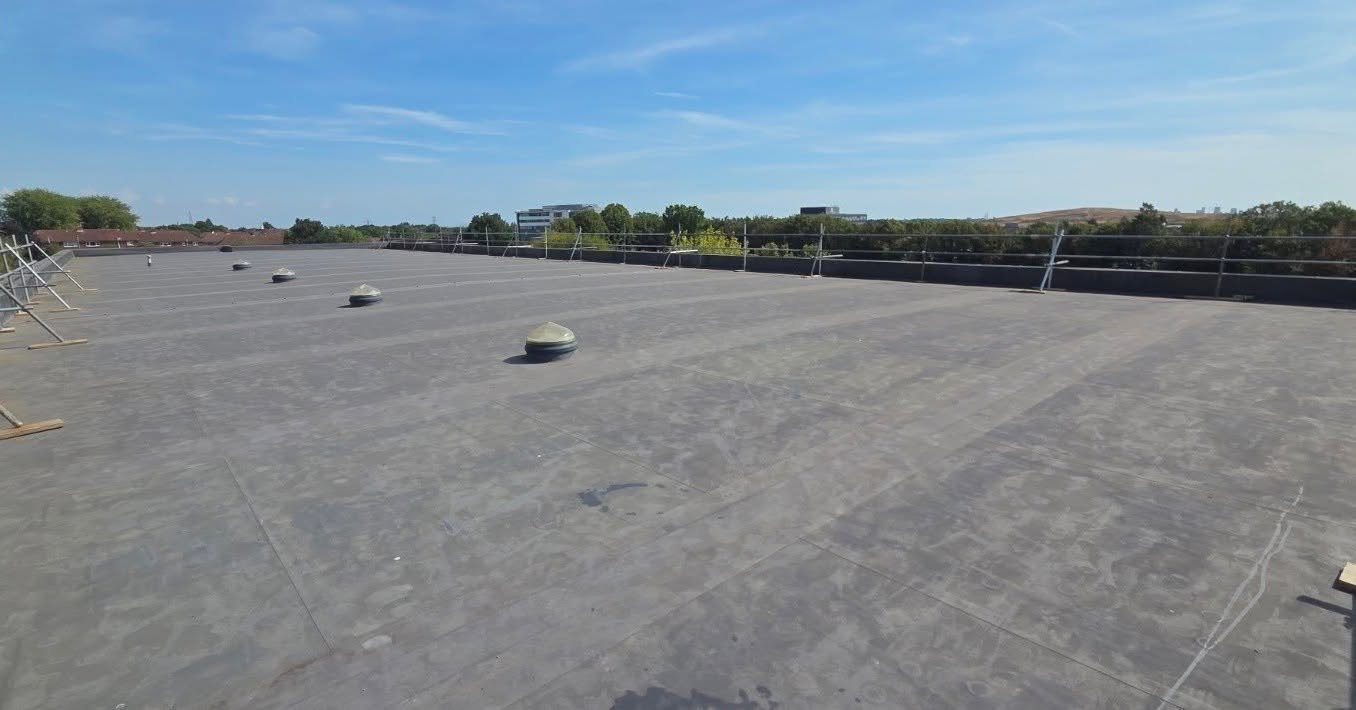
Scaffolding used for construction work should be inspected by a competent person after installation and before first use, at intervals of no more than seven days, and after circumstances that could affect its safety, such as substantial alteration or severe weather.
When is another inspection required?
- Before the scaffold is first used
- At intervals not exceeding seven days
- After alteration or partial dismantling
- After high winds, impact or another event that may affect stability
- Whenever there is reason to doubt the scaffold remains safe
Who can inspect scaffolding?
The inspector must be competent for the type and complexity of scaffold involved. Competence depends on suitable knowledge, training and experience. A complex structure requires an inspector with the appropriate level of scaffolding expertise.
What should an inspection cover?
The inspection should consider foundations, standards, ledgers and transoms, ties, bracing, working platforms, guardrails, toe boards, access arrangements and signs that the scaffold has been altered or damaged. Problems must be addressed before unsafe areas are used.
Are inspection records required?
Inspection findings should be recorded, including defects and corrective action. These records help site managers demonstrate that the access equipment is being checked and maintained appropriately.
This page summarises current Health and Safety Executive scaffolding guidance. Responsibility for arranging inspections should be agreed clearly between the scaffold user, hirer and contractor.